
Economic Shifts Influence Natural Living Concepts
-
Economic Shifts Influence Natural Living Concepts
 The economy shapes how people live, spend, and invest, and in recent years economic shifts have influenced a growing interest in natural living concepts that focus on sustainability, efficiency, and long-term value rather than short-term luxury. When inflation rises and energy costs increase, homeowners begin to prioritize energy-efficient designs, proper ventilation, and natural lighting because these features reduce monthly expenses and protect long-term financial stability.
Economic uncertainty also encourages practical decision-making, which leads many buyers to choose residences that offer green spaces, durable materials, and layouts that reduce waste instead of properties built purely for visual appeal.
As cities grow denser, access to nature becomes more limited, and this scarcity increases demand for developments that integrate greenery, open spaces, and environmentally responsible planning. Natural living concepts therefore align not only with environmental awareness but also with economic logic, since they support both lifestyle comfort and financial resilience over time.
Why Natural Living Adds Long-Term Economic Value
Natural living concepts contribute to economic value because properties designed with sustainability in mind often have lower operating costs, which makes them attractive to both homeowners and tenants who are conscious of long-term budgeting. Features such as cross ventilation, insulated walls, and solar-ready systems reduce reliance on artificial cooling and lighting, leading to lower energy bills that compound into meaningful savings over several years. Developments that include green areas and outdoor spaces also maintain stronger market demand because buyers increasingly associate nature with health, productivity, and quality of life, which supports stable pricing and resale value. Maintenance expenses can also decrease when native plants and climate-appropriate materials are used, since these choices reduce the need for frequent repairs or high water consumption.
Communities designed around natural living often include shared gardens, walking paths, open parks, and outdoor seating areasthat encourage residents to spend time outside and interact with one another in a relaxed setting. These spaces make it easier for neighbors to connect, which builds a sense of belonging and safety that many urban developments lack. When residents feel connected to their environment and community, overall well-being improves because access to greenery reduces stress, supports physical activity, and promotes better mental health.
While these benefits may appear personal rather than financial, they directly influence how long people choose to stay in a property, and longer stays reduce vacancy rates for landlords and developers. Stable occupancy supports consistent rental income, which strengthens cash flow and protects property value over time. In addition, developments known for strong community atmosphere often attract buyers through word of mouth and positive reputation, which supports resale demand and pricing stability. As a result, natural living concepts do not only enhance lifestyle quality, but they also contribute to long-term economic performance by creating environments where residents are more likely to remain, recommend, and reinvest.
The Future of Residential Development in a Changing Economy
As global economies continue to evolve, residential development is shifting toward models that combine financial prudence with environmental responsibility, because buyers now expect homes to support both economic efficiency and daily comfort. Developers who understand this trend focus on practical layouts, energy-saving technologies, and integrated green spaces that enhance livability without inflating costs unnecessarily.
Governments in many regions are also encouraging sustainable construction through policy incentives and planning guidelines, which further supports the integration of natural living concepts into mainstream housing. From an investment perspective, properties aligned with sustainability trends are better positioned to adapt to regulatory changes and market expectations, which protects long-term value.
Natural living concepts are not only a lifestyle preference but also an economic response to rising costs, urban density, and shifting consumer priorities, and as awareness grows, residences that harmonize with nature will continue to represent smart, forward-looking choices in a dynamic economic environment.
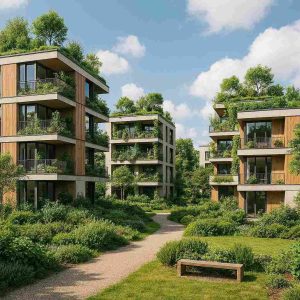 The economy shapes how people live, spend, and invest, and in recent years economic shifts have influenced a growing interest in natural living concepts that focus on sustainability, efficiency, and long-term value rather than short-term luxury. When inflation rises and energy costs increase, homeowners begin to prioritize energy-efficient designs, proper ventilation, and natural lighting because these features reduce monthly expenses and protect long-term financial stability.
 Feed
Feed

- Stalled Disinflation, AI Productivity, and Geopolitical Shocks: The New Global Growth Reality for Mid-2026The International Monetary Fund (IMF) projects global economic growth of 3.0 percent in 2026, followed by a recovery to 3.4 percent in 2027, reflecting an economy that has proven more resilient than expected despite conflict, higher energy prices, and ongoing trade uncertainty. The latest July 2026 World Economic Outlook update shows that technology investment, particularly.
- Economists Urge Businesses to Explore the Database as Supply Chains Reveal Hidden Industrial PowerA quiet refinement of focus has been happening among economists, though it rarely makes the headlines. Instead of watching stock market fluctuations or waiting for government indicators, some economists are beginning to examine something more structural: the relationships between firms. Once analysts explore the database of supply chains, a different picture of industrial power begins.